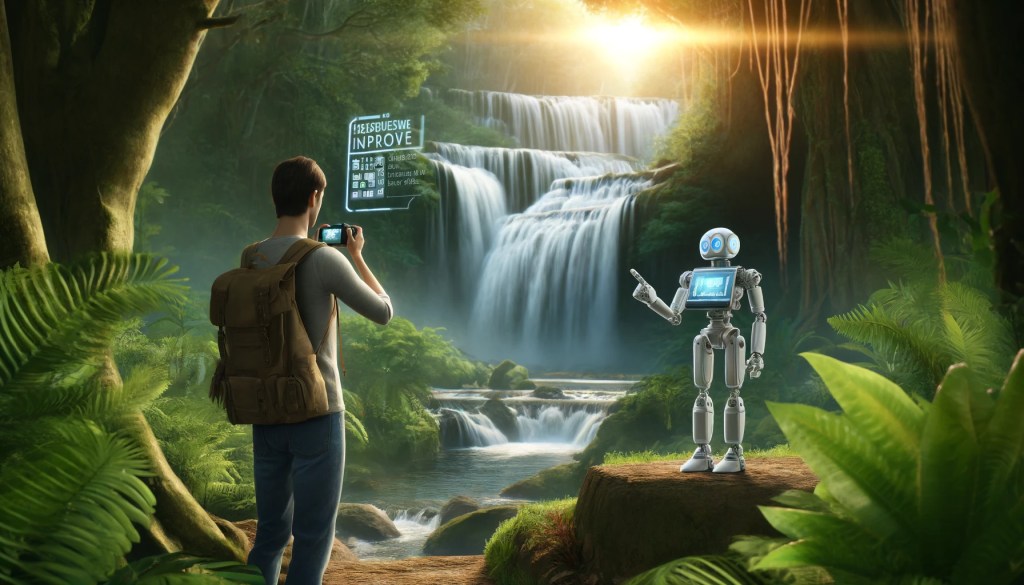
Introduction: Welcome to “My AI Lifestyle,” where I explore the fascinating world of artificial intelligence and its impact on my daily life. Today, I want to introduce you to a unique member of my AI team: my robot genius art critic. Inspired by my love for both technology and art, I decided to see how AI could contribute to my development as a photographer and help me organize my portfolio by selecting my best photos for my most popular albums and collections.
Inspiration Behind Using AI for Art Critiques
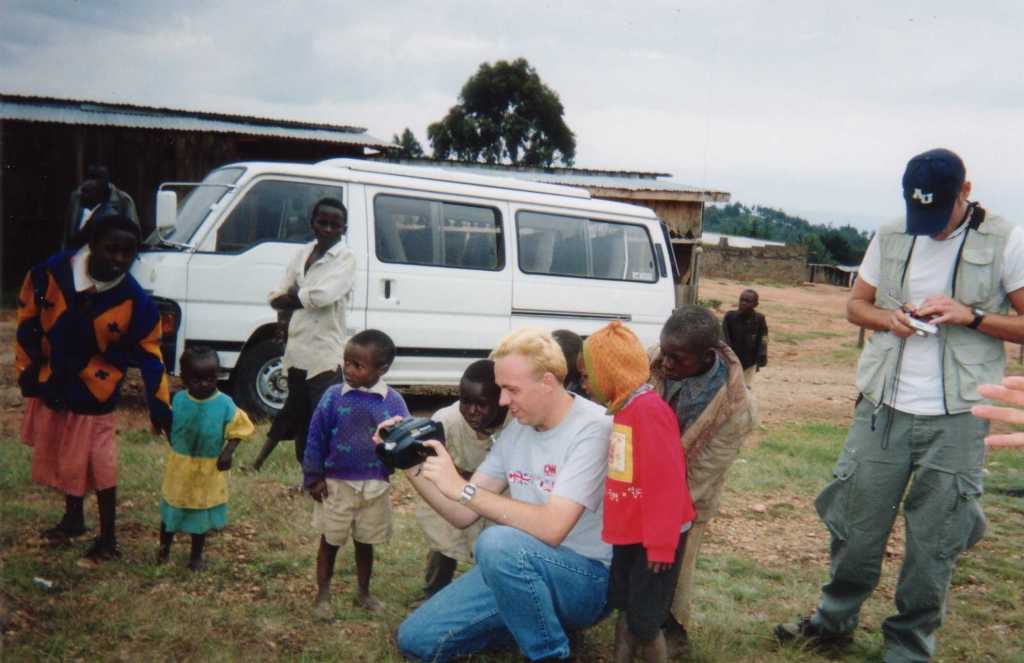
Among other things, I’m an amateur photographer with a passion for travel photography, landscape photography, and capturing moments that tell a story. Those who know me would probably say I’m equal parts artist and scientist. When I first ventured into photography, I had no clue what I was doing but found joy in walking through parks and capturing beautiful scenes, whether it was a breathtaking landscape or a close-up of an insect or lizard I’d never seen before.
Early on in my journey, I joined a photography website called Flickr. I chose Flickr because it offered great tools for photographers and had a social network element. There were interest groups for various photography subjects, including one for my favorite amusement ride, the pirate ship. However, the groups that had the most significant impact on my development were the scoring groups. In these groups, photographers scored the previous five photos before theirs, and the next photographers would score yours on a scale of 1 to 10. The best groups required scorers to leave explanations, which ranged from “It’s very colorful” to detailed critiques about composition, focus, and color balance. These reviews were incredibly helpful in improving my skills, providing both layperson and technical perspectives on my photos.
Over time, these groups became less active. While Flickr continues to improve its features, the social community has significantly diminished. Despite this, the experience taught me how to score photos and understand the elements that make them attractive. For years, I continued to score my own photos based on a simple set of criteria developed from the early feedback I received.
Then came AI. With advancements in AI technology like ChatGPT-4, AI can now “see” a photo. I decided to put this to the test by giving ChatGPT my scoring formula and asking it to score my photos on a scale of 0-50 based on five criteria, each earning a score from 0 to 10. It didn’t take long to realize that AI is as good at this as most humans.
Training the AI Art Critic: Training my AI art critic involved teaching it my established scoring system for photography. Here’s a breakdown of the scoring criteria I use:
- Technical Clarity/Focus: This evaluates the sharpness and clarity of the photo. Scores range from 0 to 10, with 5 or below indicating that the clarity or focus distracts from the photograph, and 6 or higher indicating satisfactory focus. A score of 10 represents perfect clarity and focus.
- Composition: This assesses the arrangement of elements within the photo. A score of 5 or below suggests poor composition, while 6 and above indicates a well-composed photo. The higher the score, the better the composition, with 10 being perfect.
- Color: This criterion looks at the color balance and vibrancy of the photo. Scores range from dull or poorly balanced (below 5) to vibrant and perfectly balanced (10).
- Interestingness: This is a subjective measure of how engaging the subject matter is. Photos with a subject score at least 6, while more captivating subjects or interactions score higher. A score below 6 indicates a lack of interest or subject matter.
- Overall Satisfaction: This is a subjective score that reflects my overall impression of the photo. It takes into account all other criteria and provides room for adjustment based on exceptional or flawed elements not covered by the other categories.
To ensure the AI understood my scoring system, I provided it with detailed examples and explanations. First, we started off with some photos that had already been scored, and its ratings were very consistent with both the Flickr score groups’ final rating and my own self-critiques. This consistency built my confidence in the AI’s ability to understand and apply my scoring system effectively.
Example AI Critique
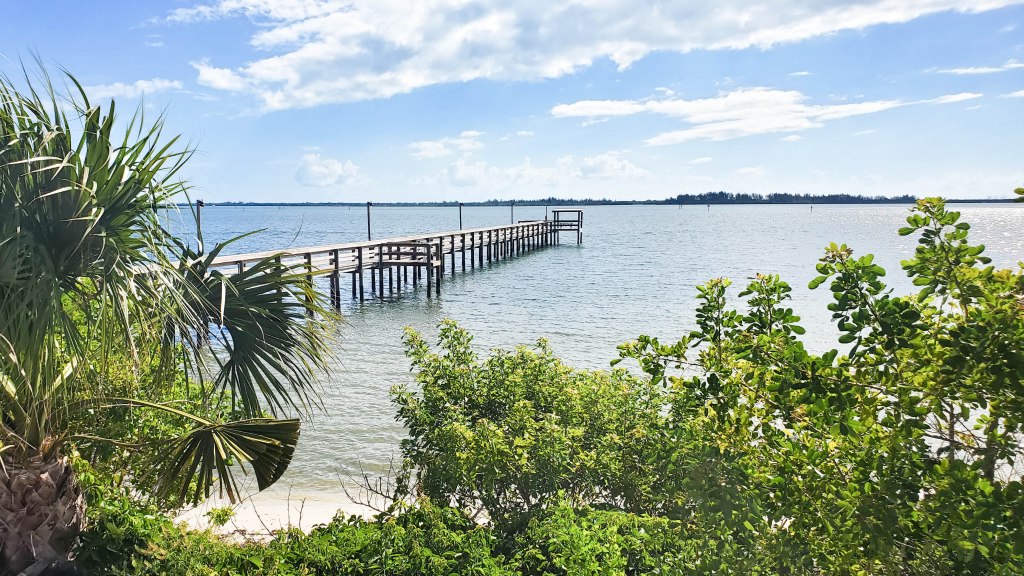
This was the very first scoring that ChatGPT produced once it understood my requirements:
Photo of the Indian River Lagoon
- Technical Clarity/Focus (8): The photo is sharp and clear, with well-defined details in both the foreground foliage and the pier, as well as the distant shoreline.
- Composition (7): The composition is strong, with the pier leading the viewer’s eye into the scene, framed by the lush greenery on either side. The horizon is well-placed, giving a balanced view of the sky and water.
- Color (8): The colors are vibrant and natural, with the green foliage, blue water, and sky creating a pleasing contrast.
- Interestingness (6): The subject is pleasant and serene, capturing the peacefulness of the lagoon and the structure of the pier, though it lacks a particularly dynamic or unusual element to elevate it further.
- Overall Satisfaction (7): Overall, the photo is aesthetically pleasing and captures the essence of the location well, providing a sense of tranquility and natural beauty.
Total = 36
With respect to the first three primarily objective criteria, ChatGPT did a perfect job, which in and of itself is amazing. But let’s take a look at some of the responses it gave me in the Interestingness category for some of my photos, to give you a real gauge on my AI art critic’s capabilities.
Interestingness Examples:
- Interestingness (8): The subject is highly interesting due to the heron’s poised stance and the context of its natural habitat, making it an engaging wildlife shot.
- Interestingness (8): The photo is interesting due to its unique and humorous subject, as well as the interplay between the artwork and the reflections in the window.
- Interestingness (6): The photo is moderately interesting, showcasing the natural beauty of a swamp, though it lacks a distinct subject to elevate its interest level.
- Interestingness (8): The combination of luxury cars and artistic graffiti creates an interesting and engaging scene. The unique setting makes the photo stand out and invites viewers to explore the details.
- Interestingness (6): The street scene offers a glimpse into the local atmosphere of Kissimmee, making it moderately interesting. The unique storefront signs add character, though the subject matter may not be universally captivating.
- Interestingness (6): The photo captures a tranquil lakeside view, which is soothing but may not stand out as particularly unique. The serene setting is appealing, yet it might benefit from an additional focal point or subject.
- Interestingness (7): While the bird is a common species, the close-up and detail of the feathers add interest. The subject’s pose, looking over its shoulder, adds a bit of personality to the shot.
- Interestingness (7): The subject matter is unique and evokes curiosity. The silhouette of the hiker adds an element of storytelling, making the viewer wonder about the trail and the journey it represents.
- Interestingness (9): The combination of a Superman costume and a motorbike at a public event creates a highly engaging and humorous scene.
- Interestingness (4): While the vastness of the Sahara is inherently interesting, the photo lacks additional elements or context to elevate its engagement.
- Interestingness (8): The interaction with a cobra is quite fascinating and unique, adding a lot of interest to the photo.
After a very short training period, the results, in my opinion, were amazing. Here’s one of my favorites. I gave it a photo of Steven Tyler taken with a disposable camera in the 1990s when I bumped into him on the street in London. It was taken with a lousy camera, all I had on me at the time, but I spent a lot of time carefully post-processing it:
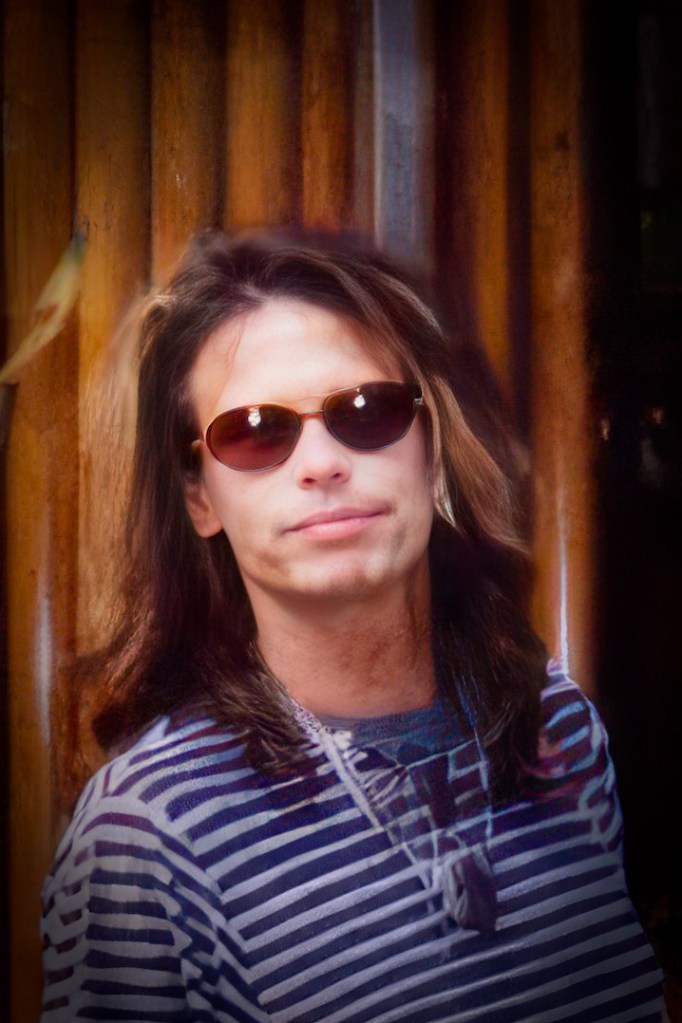
Photo of Steven Tyler
- Technical Clarity/Focus (7): The subject, Steven Tyler, is in focus, but there is a slight blur in certain areas that might affect overall sharpness.
- Composition (6): The framing is decent, with Tyler well-centered, but the background elements are a bit distracting and could be improved.
- Color (6): The colors are fairly good but could benefit from a bit more vibrancy and contrast to make the subject pop.
- Interestingness (8): The photo features a famous rock star, which adds a significant level of interest.
- Overall Satisfaction (7): The image is compelling due to the subject, but minor technical and compositional improvements could make it even better.
Photo Review and Creation of the “My World Safari” Album
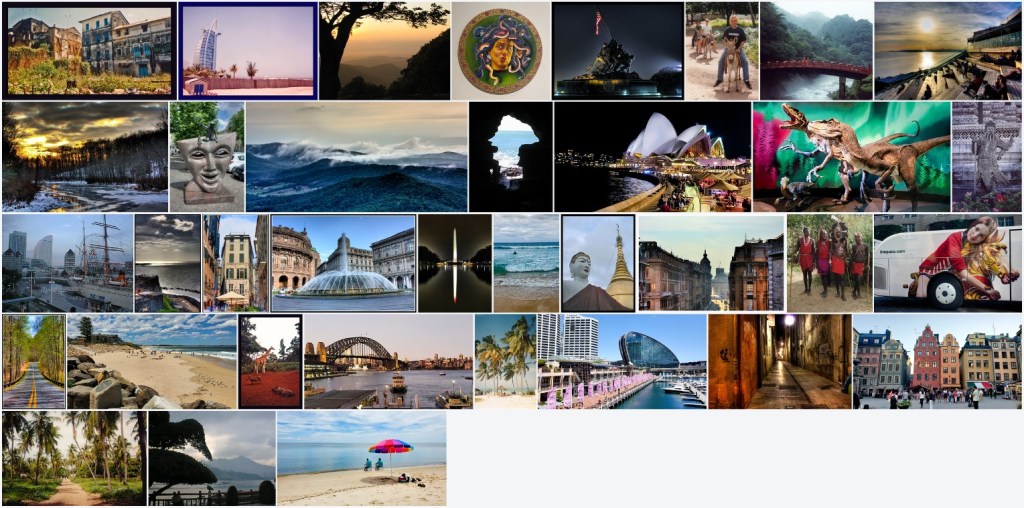
Together, we evaluated hundreds of photos and curated a set of 36 for an album called “My World Safari.” (The title is a tribute to one of my childhood heroes Alby Mangels). These photos, taken over decades during my travels around the globe, represent some of my best travel photography.
Using AI, we scored each photo based on technical clarity, composition, color, interestingness, and overall satisfaction. This process not only helped me identify my top shots but also provided valuable insights for improving my photography.
Upcoming Adventures
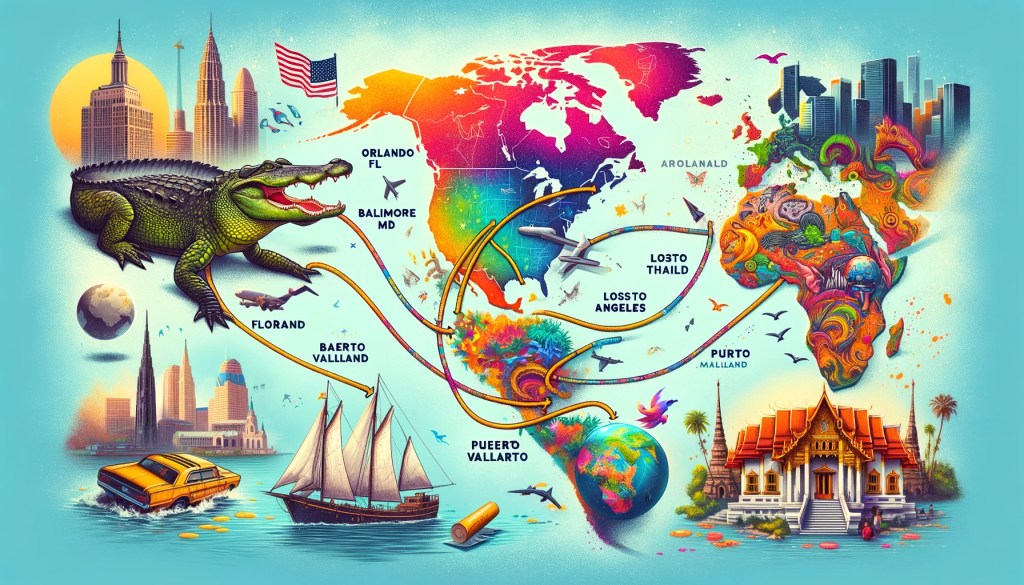
With four exciting trips on the horizon—to Baltimore, Los Angeles, Thailand, and Mexico—my goal is to capture at least one photo from each destination scoring high enough for inclusion in this top-level album. Learning from the AI feedback and practicing my photography daily, I am confident that my skills will continue to improve, enhancing my ability to capture stunning images. Meanwhile, AI technology will be improving and I will be learning and adapting to the new opportunities.
Conclusion
My experience with the AI art critic has been enlightening and transformative. This journey has only just begun, and I am thrilled to explore how AI can integrate into every aspect of my life, continuously adding value and enhancing my experiences.
As the CEO and Chief Scientist of a popular genetic genealogy company, I work with AI every day to develop software, handle customer support tickets, and achieve business goals. Running a small record label, I used AI to assemble a “vault” database of song ideas, with project management tools to help me develop every cell-phone video of a cool song idea ultimately into a final product. As an attorney, I use AI as a life-hack to improve my productivity, enabling me to handle all these aspects of my life and still find time to blog about it.
In future blog posts, I will delve deeper into how AI aids me in these diverse roles and share specific examples of its impact. From automating routine tasks to providing insights that drive my businesses forward, AI is a powerful tool that continues to shape my personal and professional life.
Follow along as I share more about how AI is transforming my daily life and how it can change yours.
 My AI Lifestyle
Leave a comment